

When life experiences leave you questioning who you are—and how you got here.
Online therapy in Florida for women recovering from emotionally harmful relationships and military spouses navigating the hidden impact of service.
You may not have said it out loud, but something in you knows this isn’t how it’s supposed to feel.
Does any of this feel familiar?
• You walk on eggshells, trying to avoid conflict, criticism, or emotional backlash.
• You say yes when you want to say no, because keeping the peace feels safer.
• You’re the one holding everything together for everyone else.
• You constantly question your own judgment and second-guess your decisions.
• You replay conversations over and over, wondering what you should have said differently.
• You hardly recognize yourself anymore.
You didn’t arrive here by accident
You didn’t lose yourself all at once.
You stayed.
You tried.
You adjusted.
You gave more of yourself to keep the relationship intact.
You loved deeply.
You carried more.
You held things together when they felt like they might fall apart.
You believed that if you gave enough, loved enough, and held everything together long enough, the relationship would eventually meet you there—with the same effort, care, and commitment you were giving.
So you kept showing up.
You kept giving.
You kept holding everything together.
Over time, something began to change.
What once felt like devotion became expectation.
The effort you gave so freely became the standard you were expected to maintain.
And somewhere along the way, the relationship stopped being reciprocal.
When the line gets crossed
For many women, there is a moment when something shifts.
A line is crossed that can no longer be explained away.
Sometimes it’s a specific event—
a breakup or divorce,
a threat of violence,
a moment when you realize the relationship you fought so hard to preserve has become unrecognizable, impossible to continue, or even unsafe.
And sometimes, it happens more quietly.
Not because of one moment,
but because of the slow wearing down over time—
the accumulation of hurt, disappointment, and emotional strain
until something in you finally whispers, this is no longer sustainable.
The feelings don’t disappear overnight.
You may still care deeply about the person.
Part of you may still hope things could be different.
But another part of you is beginning to recognize something painful:
You cannot change another person, no matter how much you have tried.
Part of you still feels like you should have been able to fix it.
Many women arrive here carrying a heavy belief:
If I had just tried harder, loved better, or handled things differently, maybe this wouldn’t have happened.
Alongside that belief often comes guilt, self-blame, and a quiet sense of shame for not being able to fix what still matters so much.
And so the heart and the mind begin pulling in different directions.
When something begins to shift
At this point, a different kind of awareness begins to take hold.
You may not have all the answers yet.
But you know something has to change.
You can’t keep doing what you’ve been doing.
You can’t keep carrying this the same way.
And that recognition—however quiet or uncertain it feels—is often where the next phase of change begins.
Rebuilding doesn’t begin with pushing forward
It begins with understanding what actually happened.
When a relationship or life experience shakes your sense of identity and trust in your own judgment, the next step is not to rush forward—it’s to slow down and make sense of what you’ve been through.
This is where our work begins.
Therapy for Emotionally Harmful Relationships
Emotionally harmful relationships rarely look the way we expect them to.
They develop gradually—through subtle shifts in responsibility, communication, and emotional balance.
Over time, you may find yourself:
• Taking responsibility for things that were never yours to carry
• Working harder to fix what isn’t within your control
• Second-guessing your instincts
And even now, part of you may still wonder:
Was it really that bad?
Did I overreact?
Could I have done something differently?
This is one of the lasting effects of emotionally harmful relationships:
it disrupts your ability to trust yourself.
Emotionally harmful relationships often lead to loss of self-trust, chronic self-doubt, and difficulty making clear decisions.
Rebuilding happens in stages
In therapy, we begin by helping you feel grounded and supported again—so you’re no longer trying to make sense of everything on your own.
From there, we reconnect you with your voice, your needs, and your internal sense of clarity.
As your awareness grows, we look at the patterns that kept you stuck—not to blame you, but to understand what made the relationship make sense at the time.
Then we begin building something new:
• Clearer boundaries
• Stronger emotional safety
• A steadier way of responding instead of reacting
Over time, you begin to trust yourself again.
Not because everything is perfect,
but because you understand yourself in a deeper and more grounded way.
A shared experience
While experiences like these can look different on the surface, many women find themselves in a similar place—carrying more than they should have to, and slowly losing connection with themselves in the process.
Therapy for Military Spouses Navigating the Hidden Impact of Service
Military life asks a lot of you.
You adapt.
You stay flexible.
You manage what needs to be managed.
You carry the day-to-day responsibilities so life keeps moving forward.
You may be the one holding everything together through relocations, long stretches of uncertainty, and the emotional weight that comes with loving someone in the military.
You keep showing up and doing what needs to be done.
But much of what you carry has nowhere to go—and often no one who fully sees it.
You may push your own needs aside because there isn’t space for them.
You may find yourself carrying more than anyone realizes—emotionally, mentally, and practically.
Over time, that weight adds up.
You may begin to feel disconnected from yourself.
Less certain of what you need or how to ask for it.
More focused on getting through the day than feeling grounded within it.
Rebuilding begins here, too
The impact of military life is often quiet and cumulative.
In therapy, we begin by creating space for you—space to slow down, to be heard, and to no longer carry everything alone.
From there, we reconnect you with your needs, your voice, and your identity outside of the roles you’ve been carrying.
As that clarity grows, we look at the patterns that have developed—what you’ve had to take on, what you’ve set aside, and what is no longer sustainable.
Then we begin building something more balanced:
• Clearer boundaries• Stronger emotional support for yourself
• A way of living that includes you, not just everyone else
Over time, you begin to feel more like yourself again.
How Therapy With Me Is Different
Therapy doesn’t need to feel rushed or forced—but it should feel purposeful and grounded.
You don’t need to have the right words, a clear plan, or everything figured out before you begin.
My approach is steady and thoughtful, focused on understanding how your experiences have shaped you—not just what’s happening on the surface.
We take the time to:
• Slow things down so you can hear yourself more clearly
• Make sense of what happened without minimizing it or blaming yourself
• Understand the patterns that developed and why they made sense
• Rebuild trust in your own thoughts, feelings, and decisions
This work isn’t about fixing you.
It’s about helping you understand yourself more clearly and rebuild trust in your own voice and decisions—at a pace that supports meaningful, lasting change.
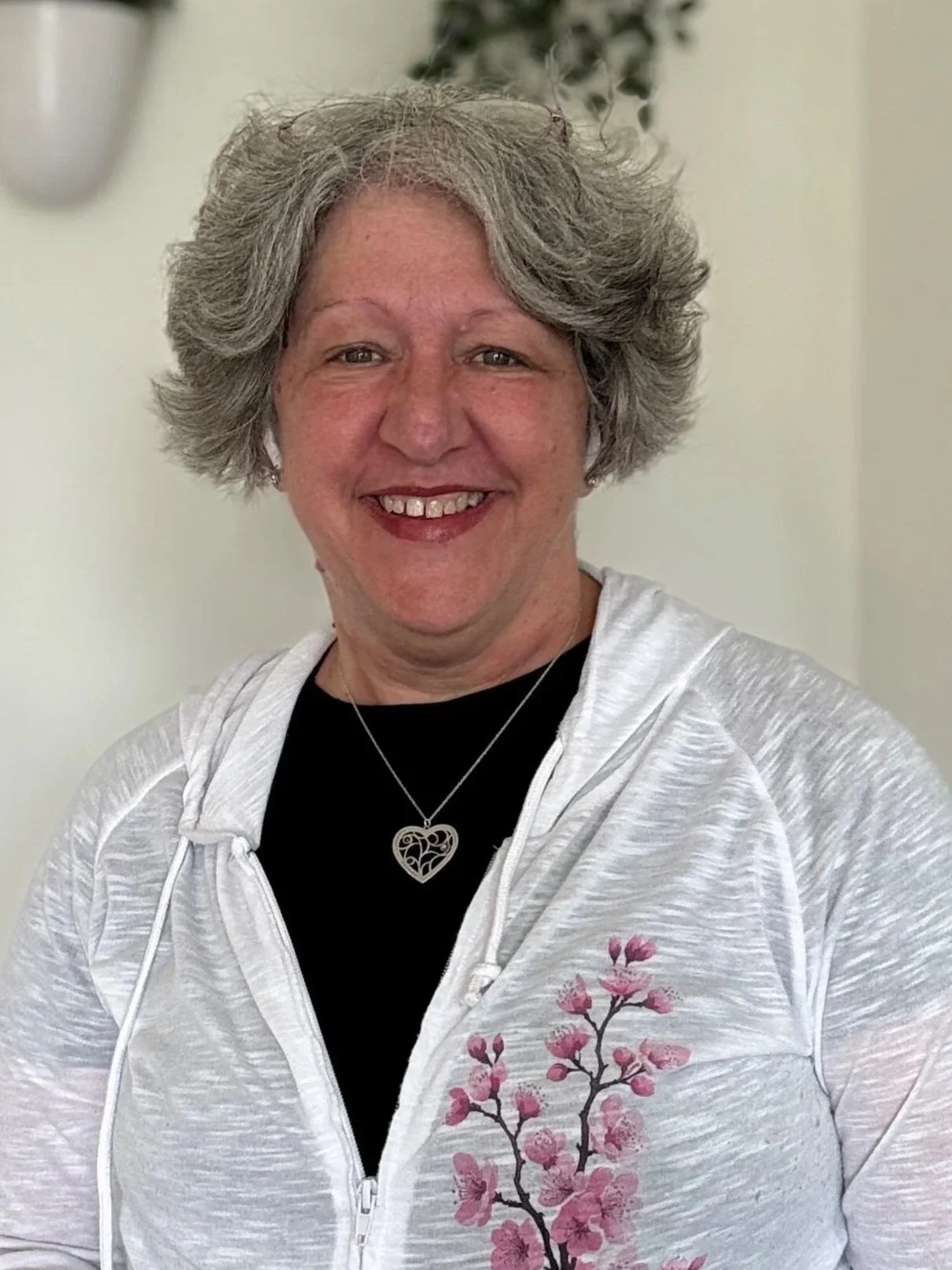
Hi, I’m Carol
I’m a Licensed Mental Health Counselor (LMHC) providing online therapy in Florida.
I work with women who have spent years holding everything together—often at the expense of themselves.
As a military spouse for over 20 years, I understand firsthand the unique demands, transitions, and emotional weight that often go unseen.
Whether you’re recovering from an emotionally harmful relationship or navigating the ongoing demands of military life as a spouse, you may feel like you’ve lost your footing or your sense of self.
In our work together, you won’t be rushed, judged, or pushed into quick solutions.
You’ll have space to think, reflect, and begin rebuilding in a way that feels grounded and lasting.
You don’t have to figure this out on your own.
Ready to Begin?
You don’t have to keep carrying this on your own.
If you recognized yourself in this page, you’re not imagining it—and you’re not alone.
You don’t need to have everything figured out before you reach out.
You just need a place to start.
Schedule a consultation and take the first step toward feeling like yourself again.